Recycling and Sustainability for Landscapers Newham
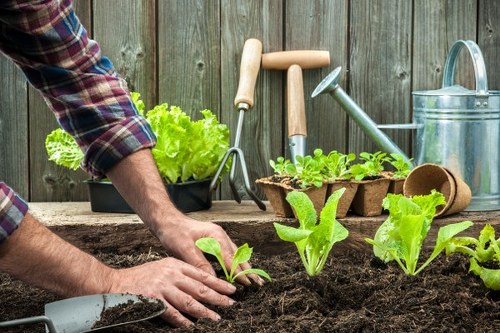 Landscapers Newham is committed to greener site clearances, responsible sorting, and eco-friendly waste disposal that supports a cleaner borough for residents, businesses, and outdoor spaces. Our sustainable rubbish area services are designed to reduce what goes to landfill, recover reusable materials, and keep garden and landscaping waste in the right waste stream. Whether we are handling soil, timber, green cuttings, or mixed construction offcuts, we aim to make every collection part of a more circular approach to local waste management.
Our recycling approach is built around practical action. We prioritise separation at source, careful loading, and route planning that helps reduce unnecessary mileage. In a borough like Newham, where different waste types often need to be sorted for the correct recovery pathway, this means paying attention to green waste, hardcore, metals, plastics, and untreated timber. By keeping materials clean and well-separated, our recycling and sustainability service helps improve reuse rates and supports lower-carbon disposal choices.
We also work to meet a recycling percentage target that reflects our environmental goals. Across suitable loads, our target is to divert at least 85% of collected recyclable materials away from landfill through sorting, reuse, recycling, and recovery. This target applies especially to landscaping arisings such as branches, grass, leaves, stone, soil, and metal fixtures. The aim is not only to recycle more, but to make the process smarter, cleaner, and more transparent for every site we service.
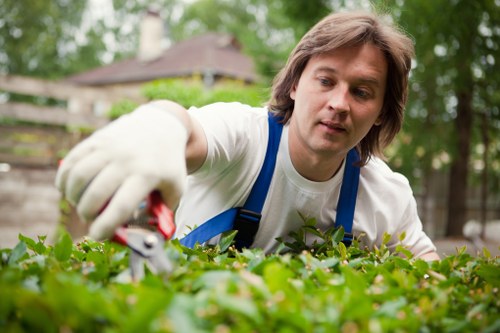 A major part of our sustainability work involves local transfer stations and authorised facilities. We use nearby local transfer stations to keep journeys efficient and to ensure waste moves quickly into the correct treatment stream. In and around Newham, this helps support reduced transport emissions and better handling of segregated loads. By using approved facilities that understand the difference between inert material, green waste, and mixed recyclable waste, we can keep our sustainable rubbish area operations aligned with local environmental priorities.
Our operations are also shaped by London’s borough-level approach to waste separation. In practice, that means we encourage clear sorting of green waste, cardboard, plastics, metals, and rubble so that each material can be sent where it is best recovered. For landscapers, this matters because mixed loads can reduce recycling efficiency. By keeping materials separated on site and during collection, we support cleaner processing and better outcomes for the environment.
At the centre of our service is a desire to reduce the carbon footprint of every collection. That includes choosing efficient routes, minimising idle time, and using modern low-carbon vans where possible. These vehicles help lower emissions during transport to and from waste facilities, particularly on repeated jobs such as maintenance clearances, turf replacement waste, hedge reductions, and seasonal garden tidy-ups. Small operational changes can add up to a significant environmental benefit across a busy landscaping schedule.
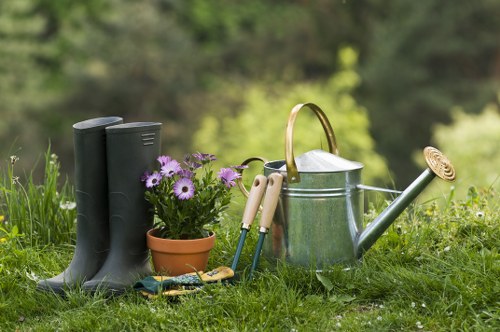 We support a wide range of recycling activities relevant to local landscaping work. This includes composting clean green waste, recovering metals from fencing and fixtures, sending untreated timber to appropriate recycling routes, and separating inert materials such as soil, brick, and concrete for aggregate recovery where suitable. When waste is managed with care, even mixed site material can often be broken down into useful resources instead of being treated as general rubbish.
We also recognise the role of partnerships in building a more sustainable future. That is why we work with charities and community reuse organisations whenever suitable items can be passed on rather than discarded. Items such as usable planters, edging, timber offcuts, garden furniture, and surplus landscaping materials may be redirected to groups that can repurpose them. These charity partnerships help extend the life of good-quality materials and reduce the volume of waste entering disposal streams.
Our sustainability promise extends beyond one-off recycling actions. We aim to build a service that supports eco-conscious landscaping from start to finish. That means choosing responsible disposal routes, promoting source separation, and encouraging better decisions around reuse. It also means being honest about what can and cannot be recycled, so that loads are handled correctly and contamination is kept low. The result is a more reliable eco-friendly waste disposal process that benefits both the environment and the wider community.
For projects in Newham, sustainability often begins with good material handling. Clean soil can sometimes be reused, green clippings can be composted, and untreated wood can be directed into recycling pathways rather than disposal. Even hard landscaping waste can be assessed carefully for recovery opportunities. This practical approach helps reduce landfill reliance while supporting a stronger local recycling culture across the borough.
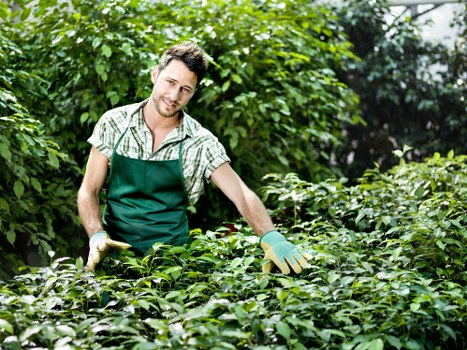 We also look for ways to reduce waste before it leaves site. Wherever possible, we encourage reuse of materials within the same project, careful estimation to avoid over-ordering, and sorting systems that make recycling easier from the start. These measures are especially useful for landscaping teams managing patios, planting schemes, clearance work, or ongoing grounds maintenance. By combining good planning with responsible waste movement, we make our sustainable rubbish area services more efficient and more environmentally sound.
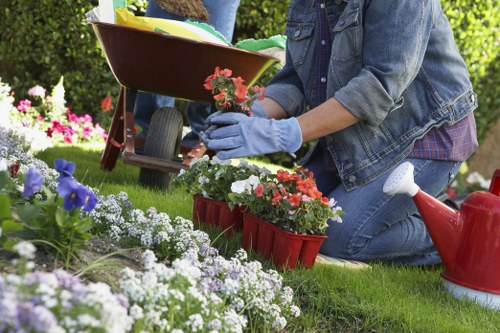 As part of our broader environmental commitment, Landscapers Newham continues to improve the way landscaping waste is collected, separated, and recycled. From using local transfer stations and low-carbon vans to maintaining our recycling percentage target and supporting charity partnerships, every stage is designed to reduce environmental impact. Our aim is simple: deliver dependable landscaping waste services while helping Newham move toward a cleaner, greener, and more circular future.

